Overview
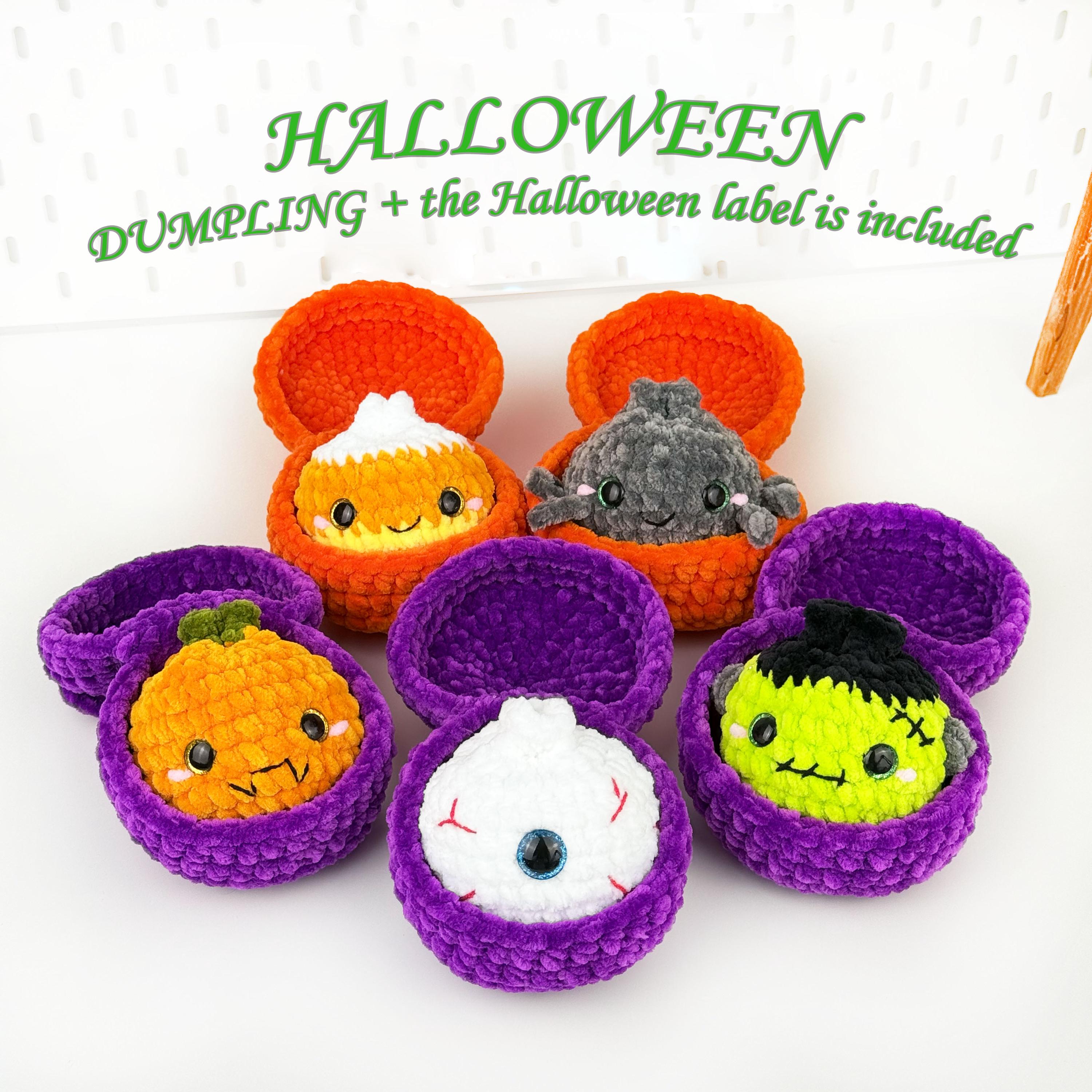
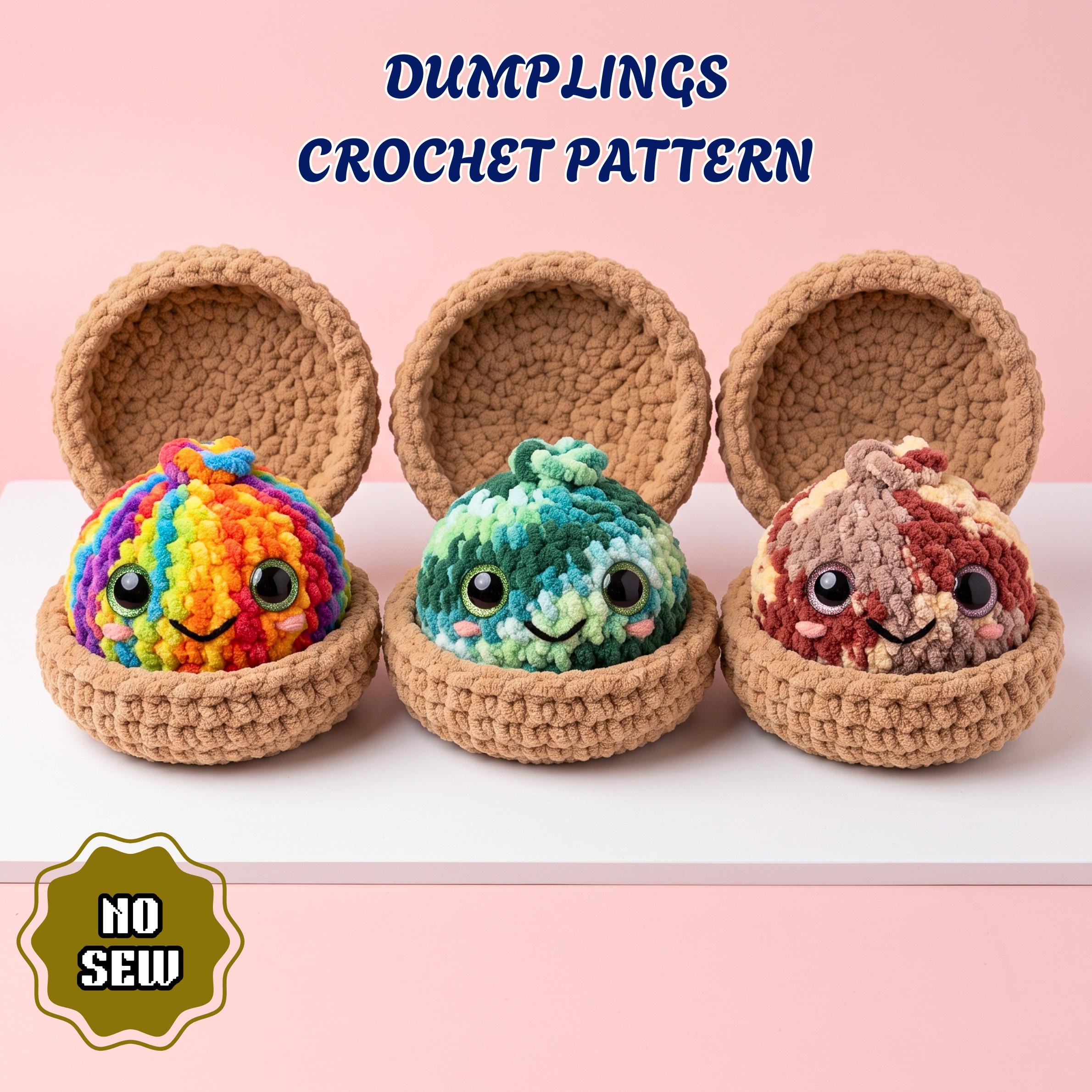
This is a digital crochet pattern for a kawaii dumpling and steamer plushie, marketed as a "viral no-sew" beginner-friendly amigurumi tutorial. It’s interesting because it combines a trending food-themed plush aesthetic with an accessible, low-cost digital product that can be scaled without physical inventory.
Data snapshot
Price is $3.22. The item shows strong traction: 170 sales in the last 30 days, 1,531 total sales, and $547.40 in 7-day revenue. Total revenue is $4,929.82. The listing has 206 reviews and 2,776 favorites, indicating high engagement relative to sales. It carries Etsy's Bestseller badge and ships from the United States, with a store rating of 471. Listed on 2026-06-28.
Dropshipping analysis
Worth testing if you are in the digital pattern or craft-niche space, but not as a physical dropshipping product. Since this is an instant-download PDF, the "dropshipping" angle is really about reselling or licensing patterns — risky. For a dropshipper considering physical plushies inspired by this design, competition is moderate-to-high because the pattern itself is a bestseller and widely known. The low price point means you’d need volume or an upsell bundle to make meaningful profit. The viral "no sew dumpling" trend appears proven, so a complementary physical product (e.g., pre-made plush kits, yarn bundles, finished plush) could ride that wave, but you'd face direct competition from pattern buyers who can make the item themselves.
Risks & watch-outs
- Seasonality: food/kawaii plush trends can cool quickly; the listing’s spike may be tied to a short-term viral moment.
- Saturation: because the pattern is a bestseller, many makers already sell finished dumpling plushies — check Etsy competition before entering.
- Price point: $3.22 is low; if you pivot to physical goods, margin is thin and shipping from the US raises costs.
- IP concerns: selling the pattern itself or mass-produced replicas may violate the designer’s rights. Treat the pattern as a market signal, not a product to copy.
- Favorites vs. sales ratio suggests a lot of browse-and-save behavior, so conversion may be slower after the initial spike.