Overview
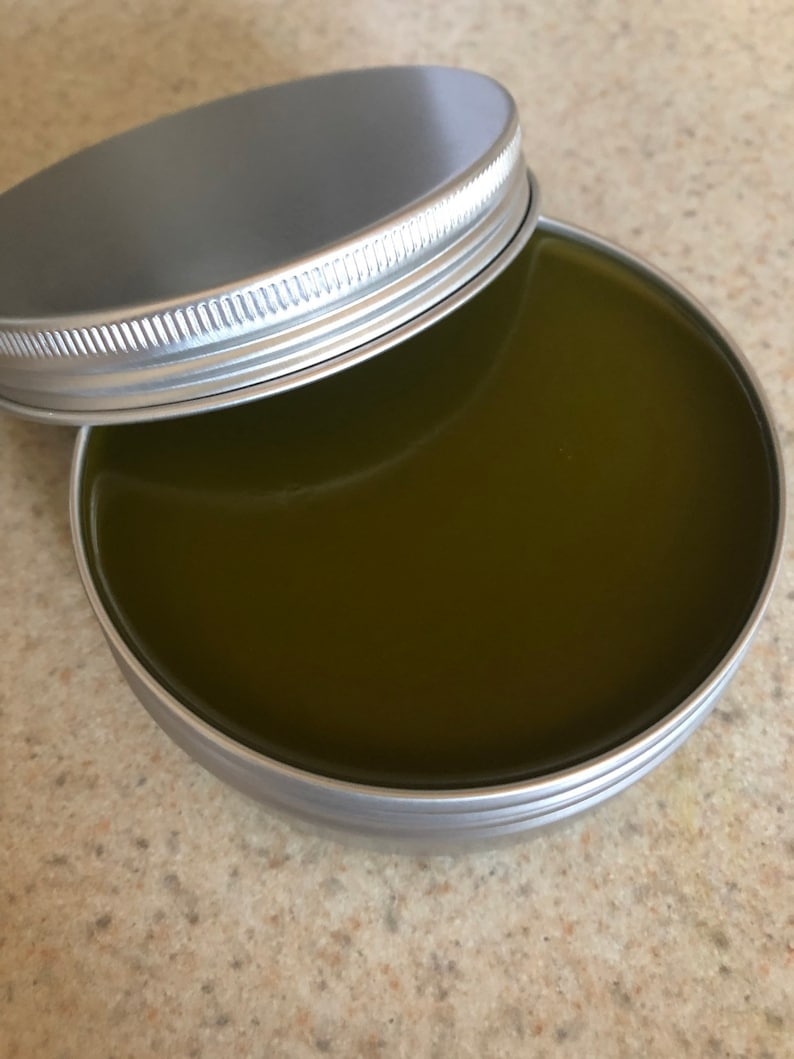
This product is a handmade healing balm combining frankincense and myrrh with hempseed oil, marketed for its natural and organic properties. It’s interesting because it sits at the intersection of indie wellness, herbal remedy, and the broader “hemp” trend, while showing a sudden burst of recent sales after years on the platform.
Data snapshot
At $6.49, the balm generated 76 sales in the last 30 days and 93 total sales, meaning ~82% of its lifetime orders occurred recently. Revenue for the past 7 days was $493.24, and total revenue is $603.57. The listing has 17 reviews and 76 favorites, with a store rating of 485. It has 0 Bestseller and 0 Pick badges. The product was listed on 2019-02-01, ships from the United States, and carries tags like Hemp Oil, Handmade, Frankincense, Myrrh, Hempseed Oil, and Organic.
Dropshipping analysis
This is worth testing but not with a direct clone. The sales velocity is promising — roughly 2.5 units/day at a low price point, producing around $493 weekly. However, the enormous gap between lifetime sales (93) and last-30-day sales (76) suggests either a recent algorithmic push, seasonal uptick, or a viral mention. The listing itself is old, so the product has history, but the sudden acceleration proves demand exists now. For a dropshipper, the angle is more valuable than the exact product. Competition appears moderate: there are similar hemp balms on Etsy, but the inclusion of frankincense and myrrh gives it a distinctive “holy/aromatherapy” positioning that can be sourced through private-label suppliers. The low unit price means margins will rely on bundle offers, double-ups, or higher perceived value through premium packaging. Test it only with a clear differentiation strategy, not as a pure price match.
Risks & watch-outs
The biggest risk is the price point: at $6.49, your sourcing, shipping, and ad costs must be extremely low to make any profit. Hemp-related products also carry platform and payment processor restrictions — even hempseed oil (non-psychoactive) triggers compliance flags. The product has only 17 reviews over years, which suggests either low historical volume or unhappy buyers leaving no feedback; recent growth may be fragile. Also, “healing” claims in the title create legal risk on Meta and Google ads. Seasonality could skew the data: last 30 days might reflect winter dry-skin demand, not year-round interest. Finally, shipping from the US to international buyers will erase margins, so you must target domestic customers and expect longer fulfillment times if you source from overseas. Watch out for established Etsy sellers with 485 ratings — you’ll need your own review base quickly.