Overview
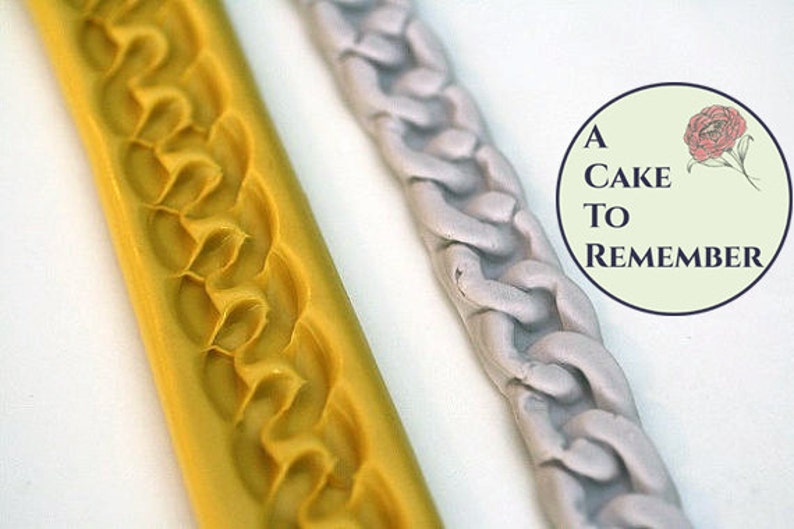
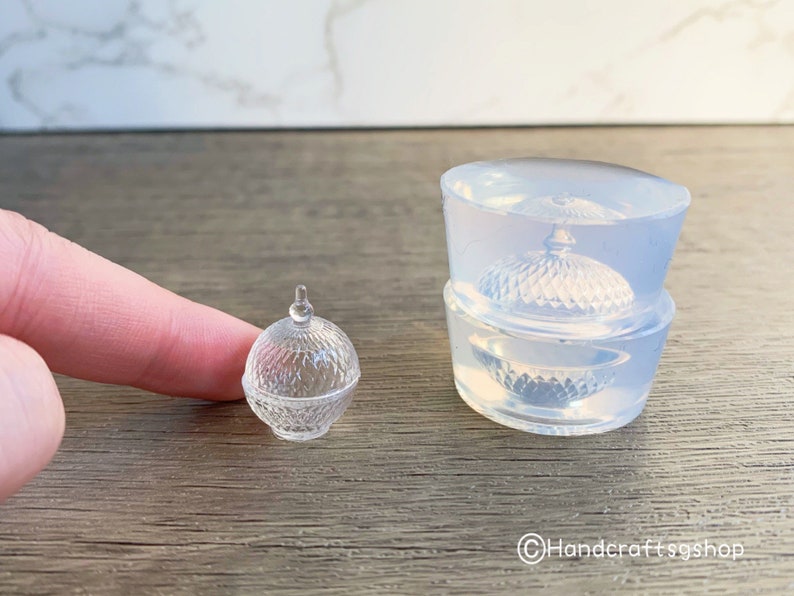
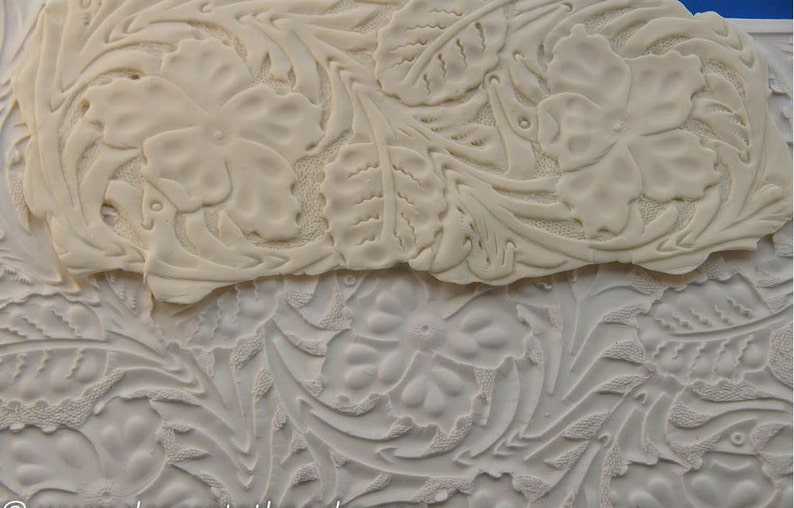
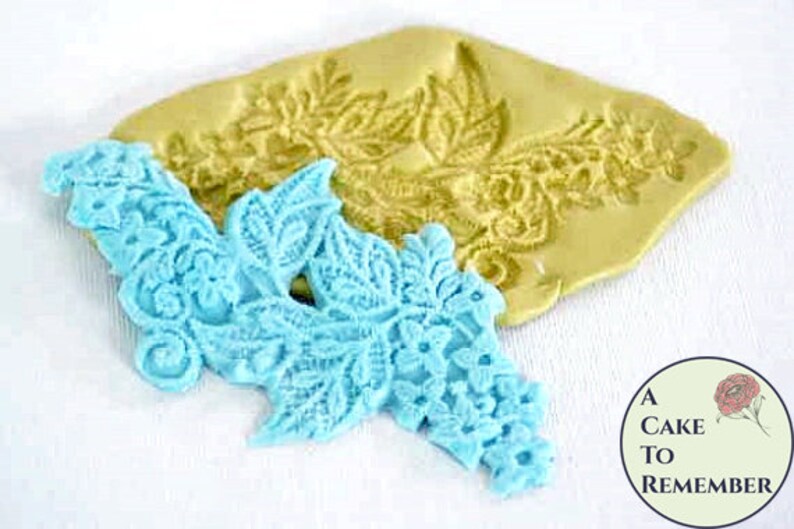
This is a silicone lace mold designed for cake decorating, but it also works with chocolate, polymer clay, and resin, making it a versatile multi-craft tool. It’s interesting because it has been listed since 2013 yet still generates steady recent sales, suggesting consistent demand in the baking/craft niche.
Data snapshot
- Price: $13.00
- Last-30-day sales: 84
- Total sales: 102
- 7-day revenue: $1,092
- Total revenue: $1,326
- Reviews: 18
- Favorites: 351
- Store rating: 450 (ACakeToRemember)
- Ships from: United States
- Listed: 2013-08-14
- Bestseller/Pick: Neither
Dropshipping analysis
This product is worth testing, but with a clear caveat. The sales velocity (84 units in 30 days) and 7-day revenue of $1,092 show real demand, and the $13 price point leaves room for a profitable markup. The high favorites-to-sales ratio (351 favorites vs. 102 total sales) indicates strong browsing interest — likely from cake decorators and crafters who save it for later. Competition is moderate: the mold is a generic type, but the specific "lace leaf/flower" design and long listing history suggest differentiation within a broad category. For a dropshipper, a similar product sourced from a supplier at $2–$4 could sell at $15–$20. The US fulfillment source is a plus for faster shipping and customer trust.
Risks & watch-outs
- Seasonality: Cake decorating peaks around wedding season (spring/summer) and major holidays (Christmas, Valentine’s Day). Expect dips in off-months.
- Saturation: Lace molds are widely available. Your listing needs a unique angle — e.g., "multi-craft" usage for resin/polymer clay — to stand out.
- Price point: At $13 retail, margins may be thin if your supplier cost is high and you run ads. Test with a lower-cost equivalent to maintain margin.
- Shipping: If you outsource from China, delivery times hurt conversion. Consider US-based suppliers or a domestic warehouse to match the original listing’s speed.
- Product fragility: Silicone can be perceived as flimsy; include clear photos and usage instructions to reduce returns. Also, polymer clay and resin users may have different expectations than bakers.