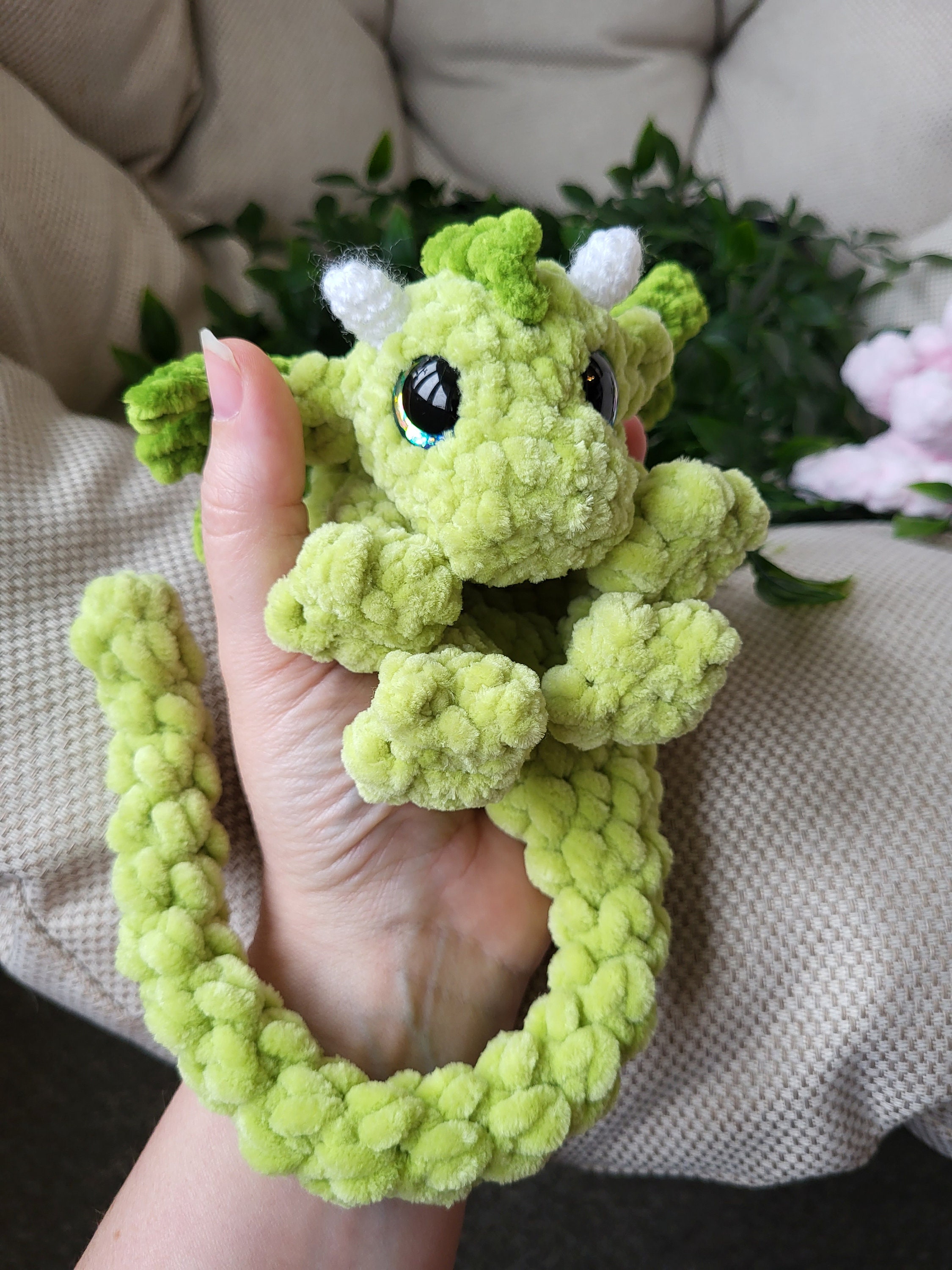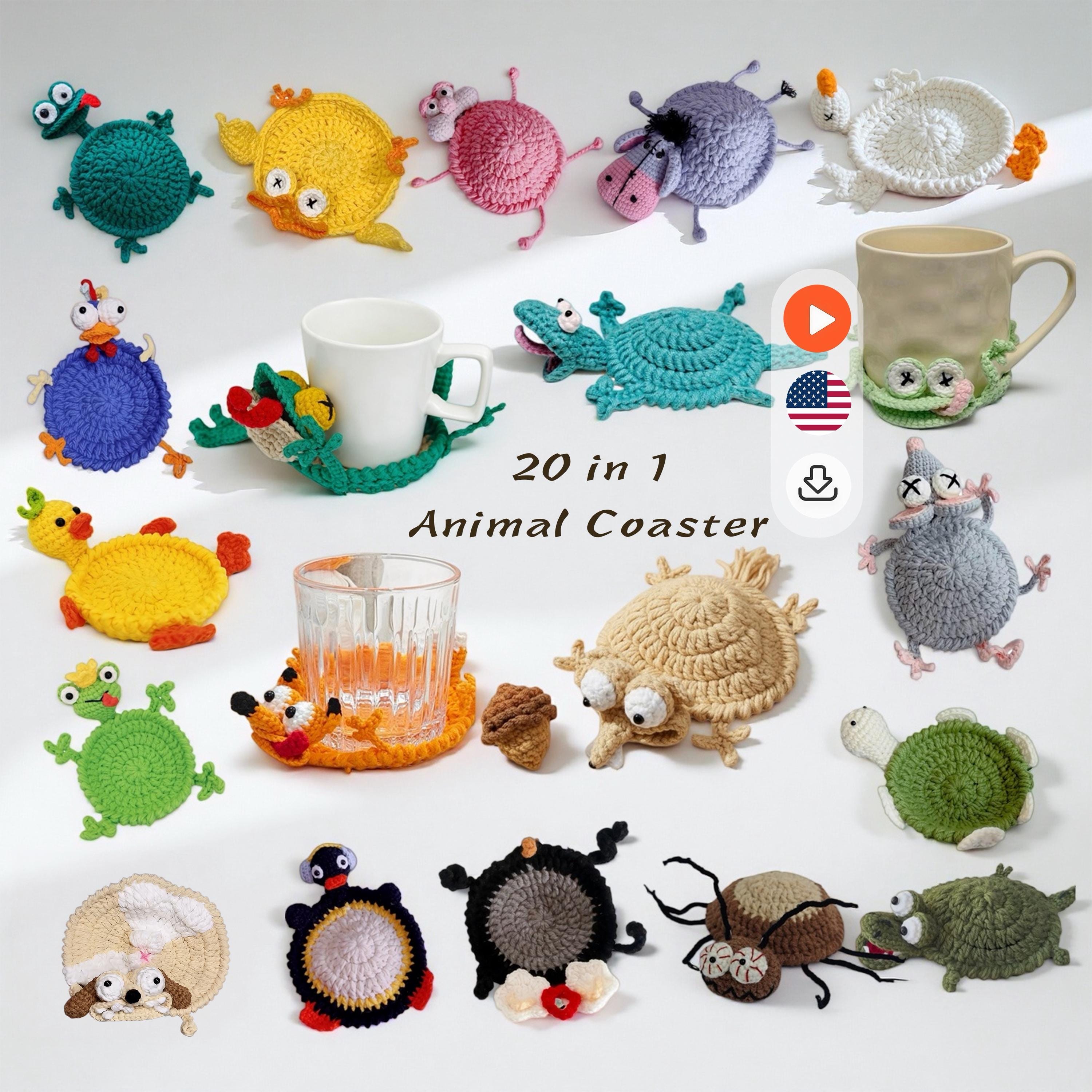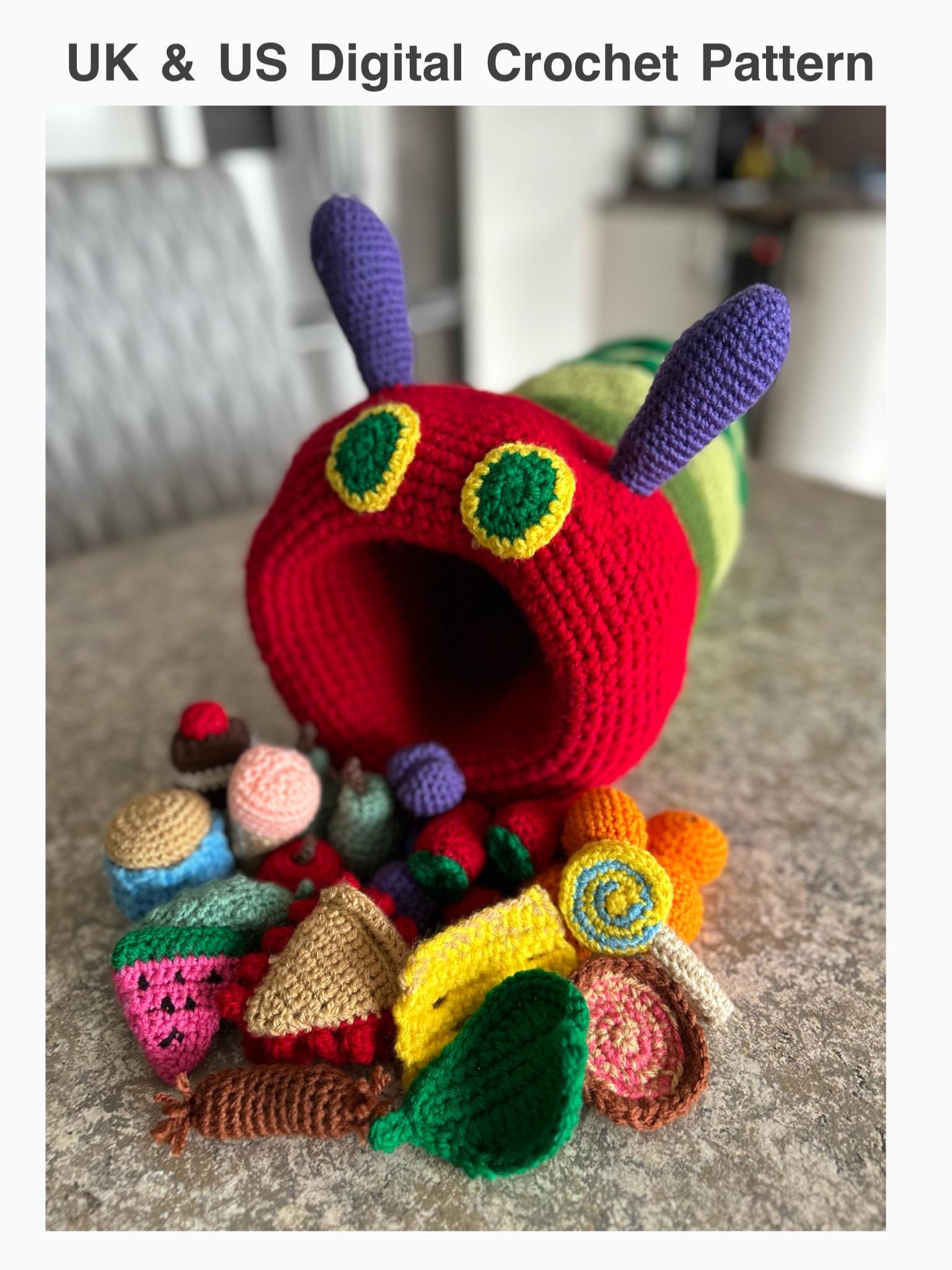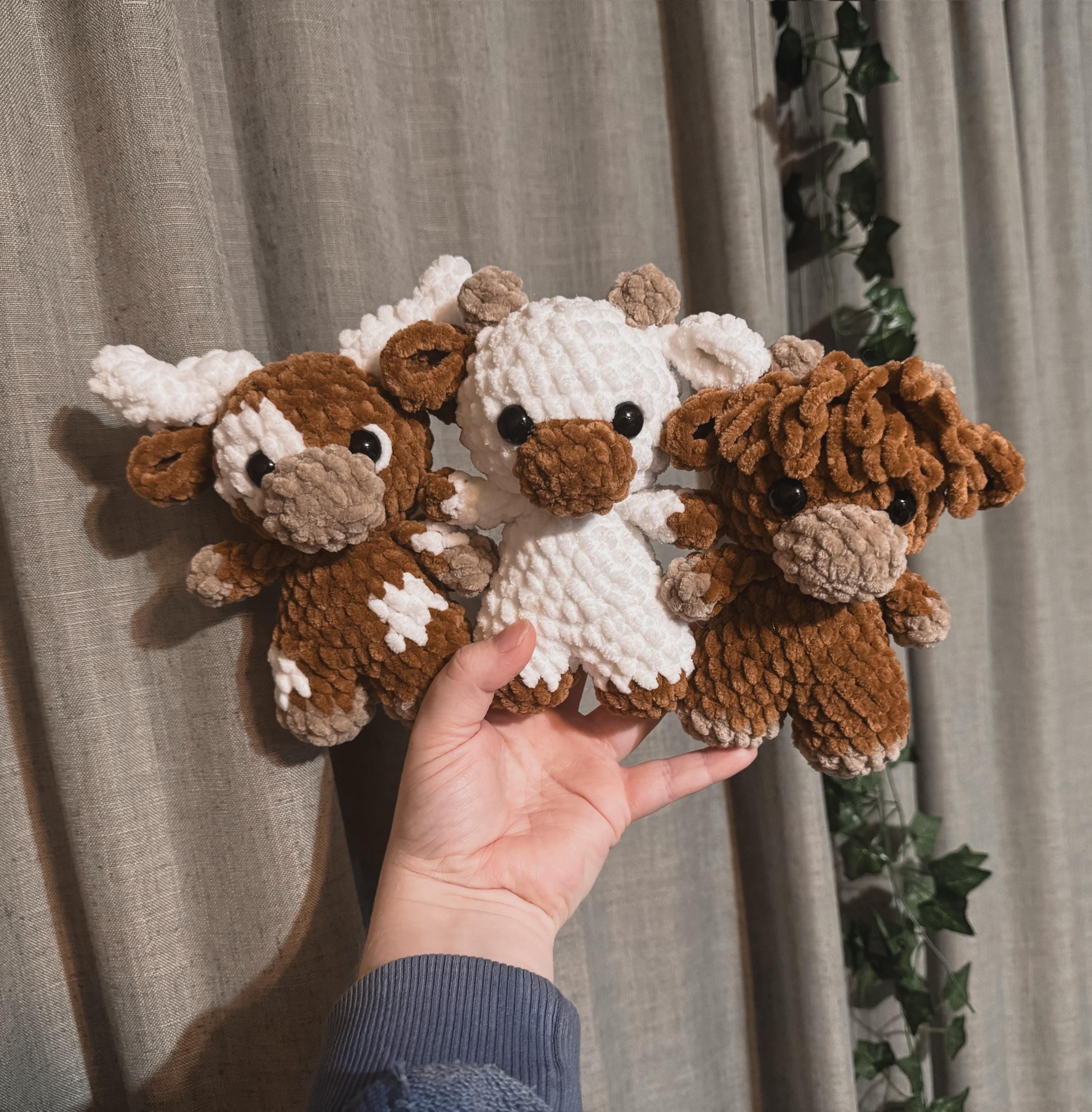
Overview
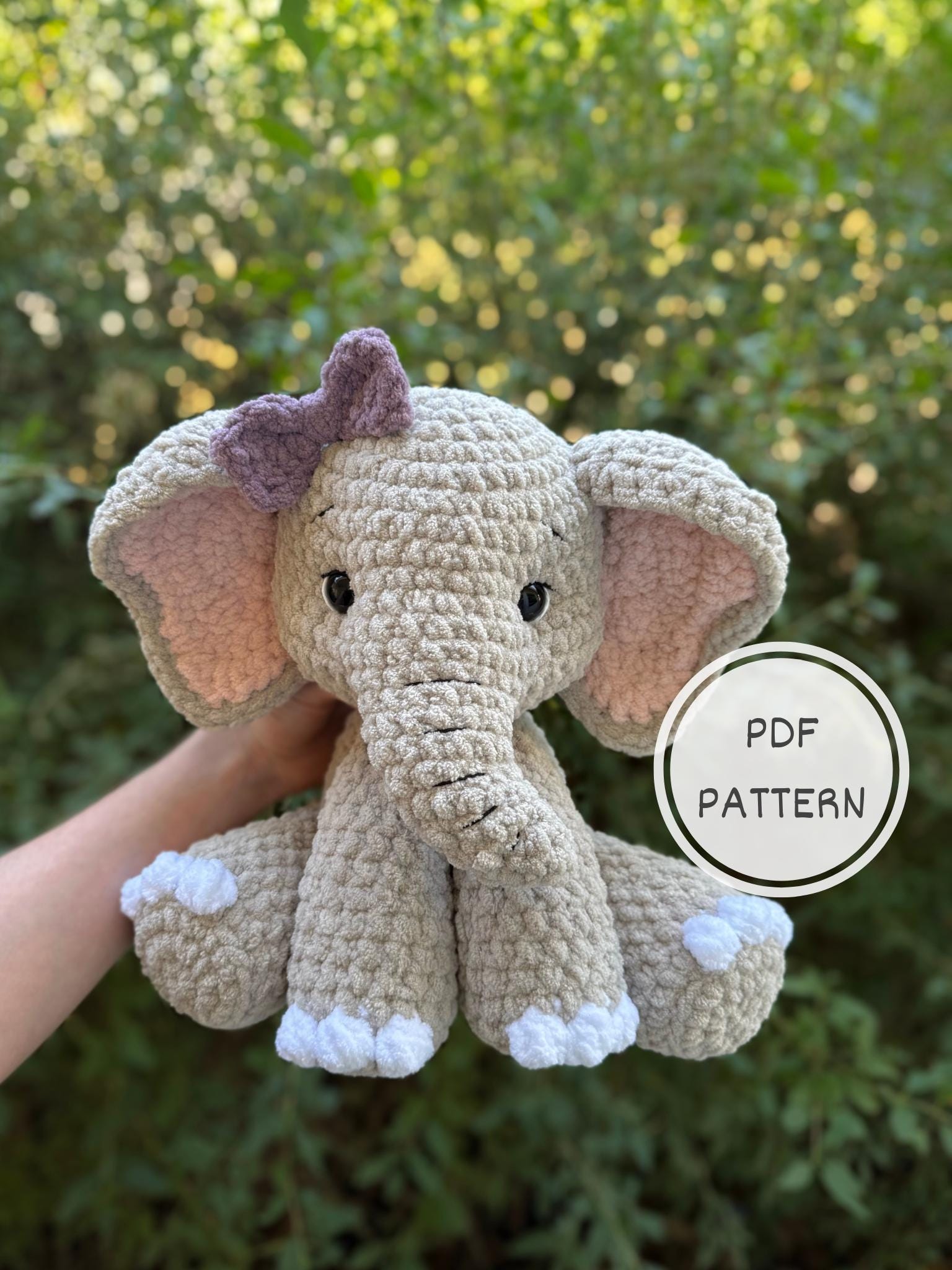
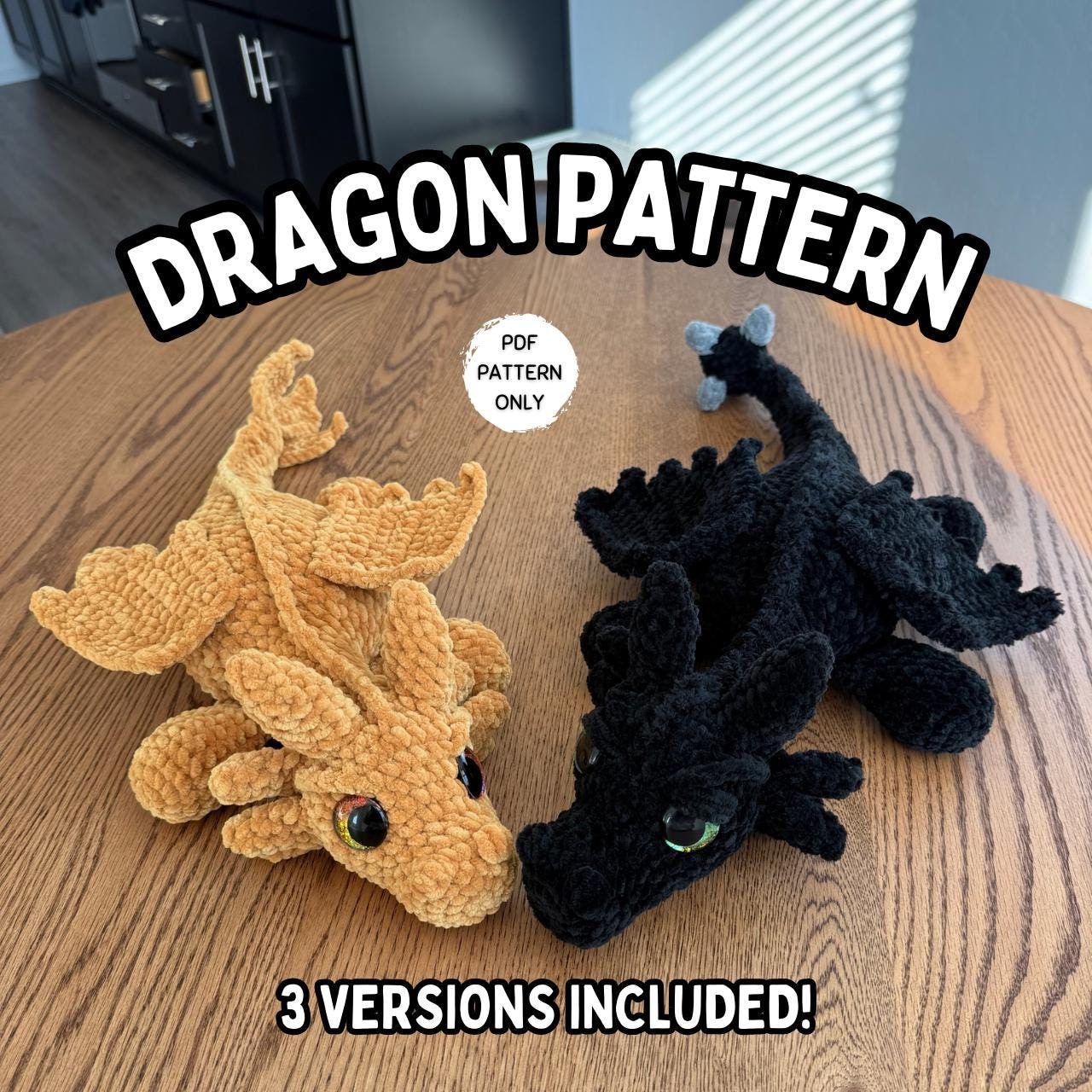
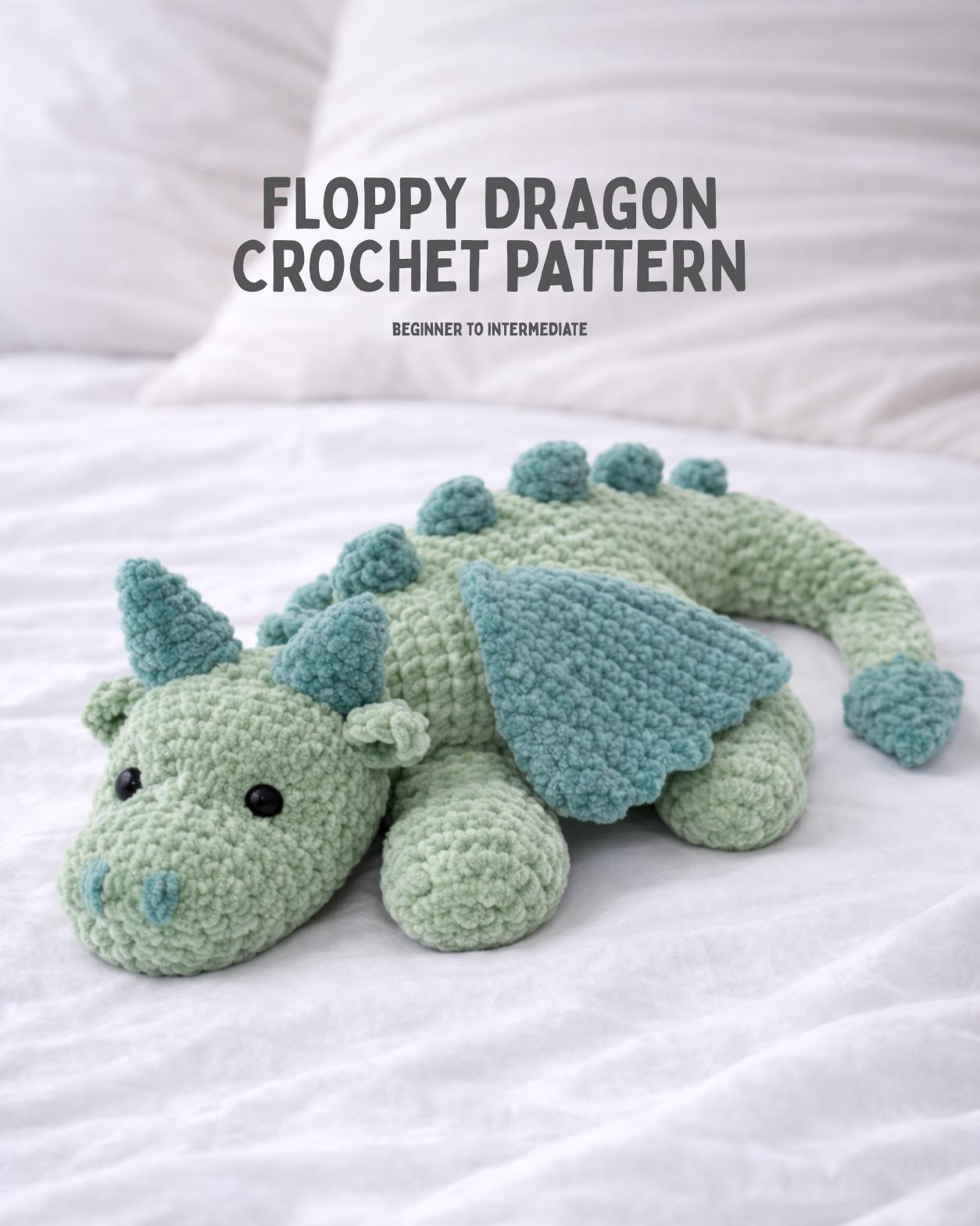
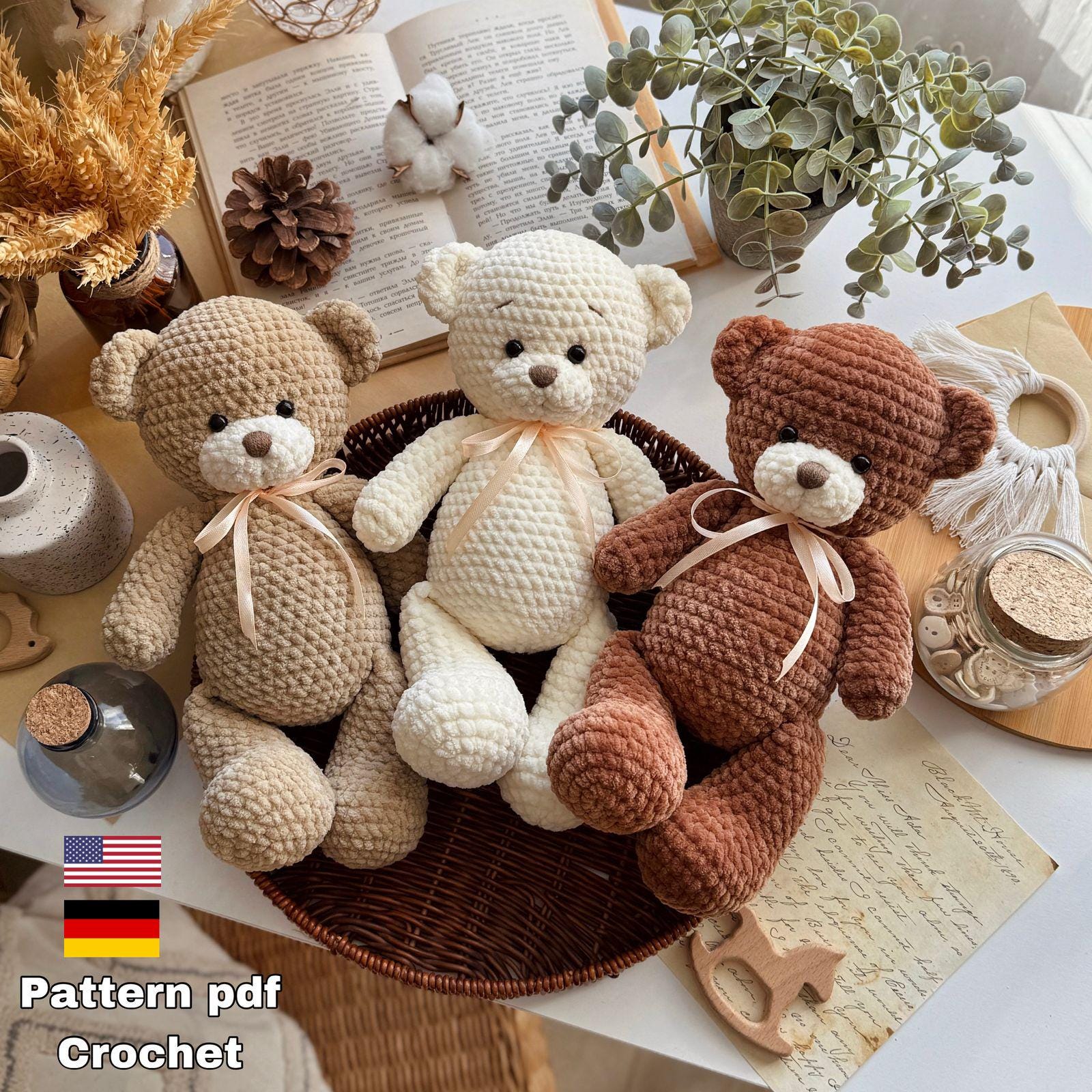
This is a downloadable PDF crochet pattern for a bear amigurumi, offered in both English and German. Product research-wise it is interesting because it combines Bestseller status with high favorites and consistent revenue, making it a promising data point for the handmade/digital toy niche.
Data snapshot
- Price: $5.98
- 30-day sales: 52; 7-day revenue: $310.96
- Total sales: 1,105; total revenue: $6,607.90
- Reviews: 131; favorites: 2,787
- Store: GoCrochetStudio (rating 487), ships from the US
- Listed: 2025-03-26; Bestseller: Yes
Dropshipping analysis
Worth testing. The listing shows strong product-market fit: 52 sales in the last 30 days and $310.96 in one week at an affordable digital price point. Favorites (2,787) are roughly 2.5x total sales, indicating a large "save for later" audience that often converts with promotions or seasonal pushes. Competition level is moderate: generic amigurumi bear patterns are widespread, but a bilingual English/German listing is a clear sub-niche, especially for EU buyers. Because the product is digital, profit margins are nearly 100% with zero inventory risk. Dropshippers should test a similar pattern by validating design uniqueness, keyword coverage, and listing quality on a smaller store before scaling. The store's track record and sales velocity here make this a worthwhile market to enter, provided the product has some differentiation beyond a copy-paste file.
Risks & watch-outs
- The main risk is saturation; without distinctive features (unique facial expressions, size variations, or style), a new listing can sink under existing bestsellers.
- Price point risk: $5.98 is an impulse zone, so discount cycles or bundle upsells (multi-pattern sets, video tutorial add-ons) are needed to lift average order value.
- Digital shipping is not an issue for this SKU, but if a dropshipper pivots to a physical plush bear, US/EU shipping costs will consume most or all of the margin.
- Seasonality: bear/toy searches spike around winter holidays and gifting seasons, so sales can dip during Q2–Q3. Plan marketing spend accordingly.